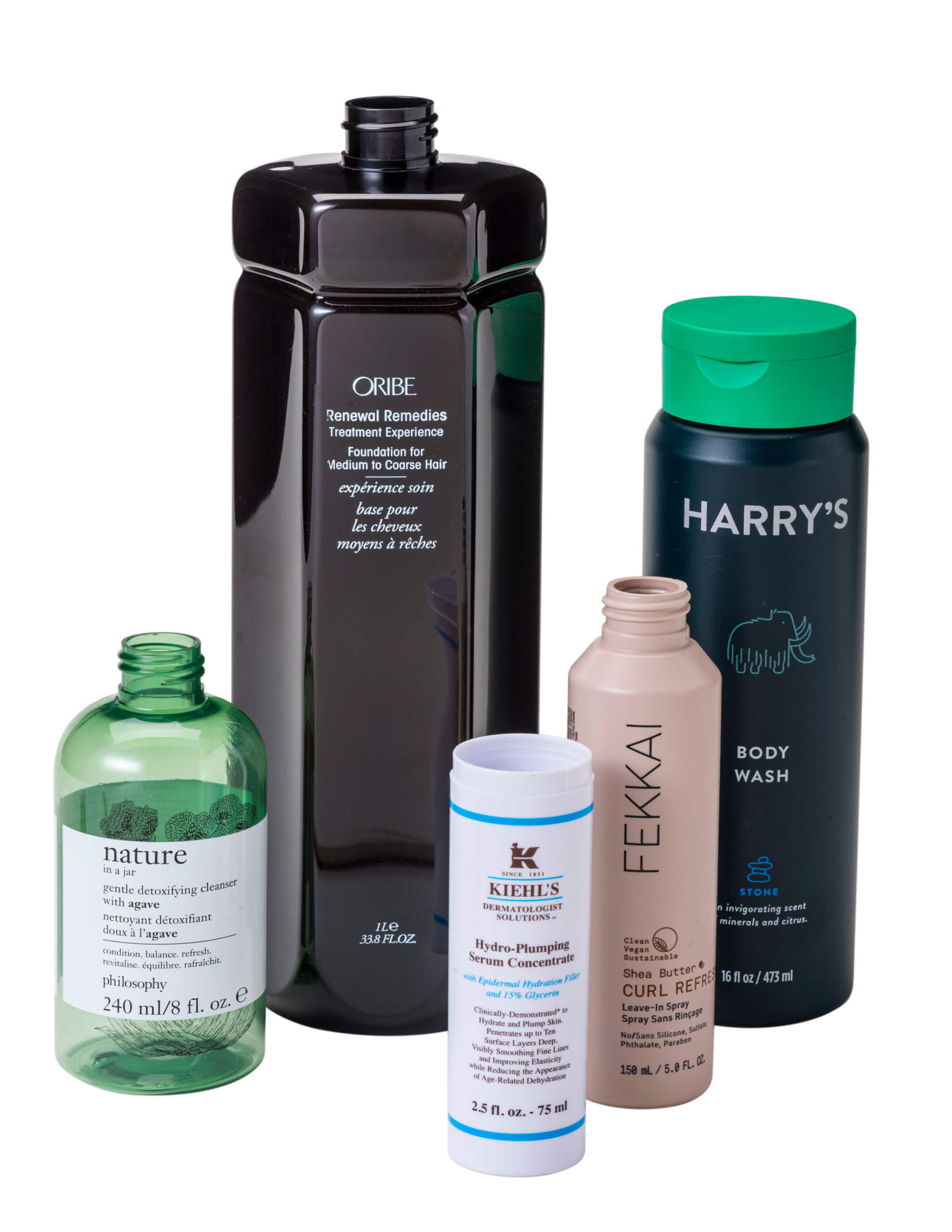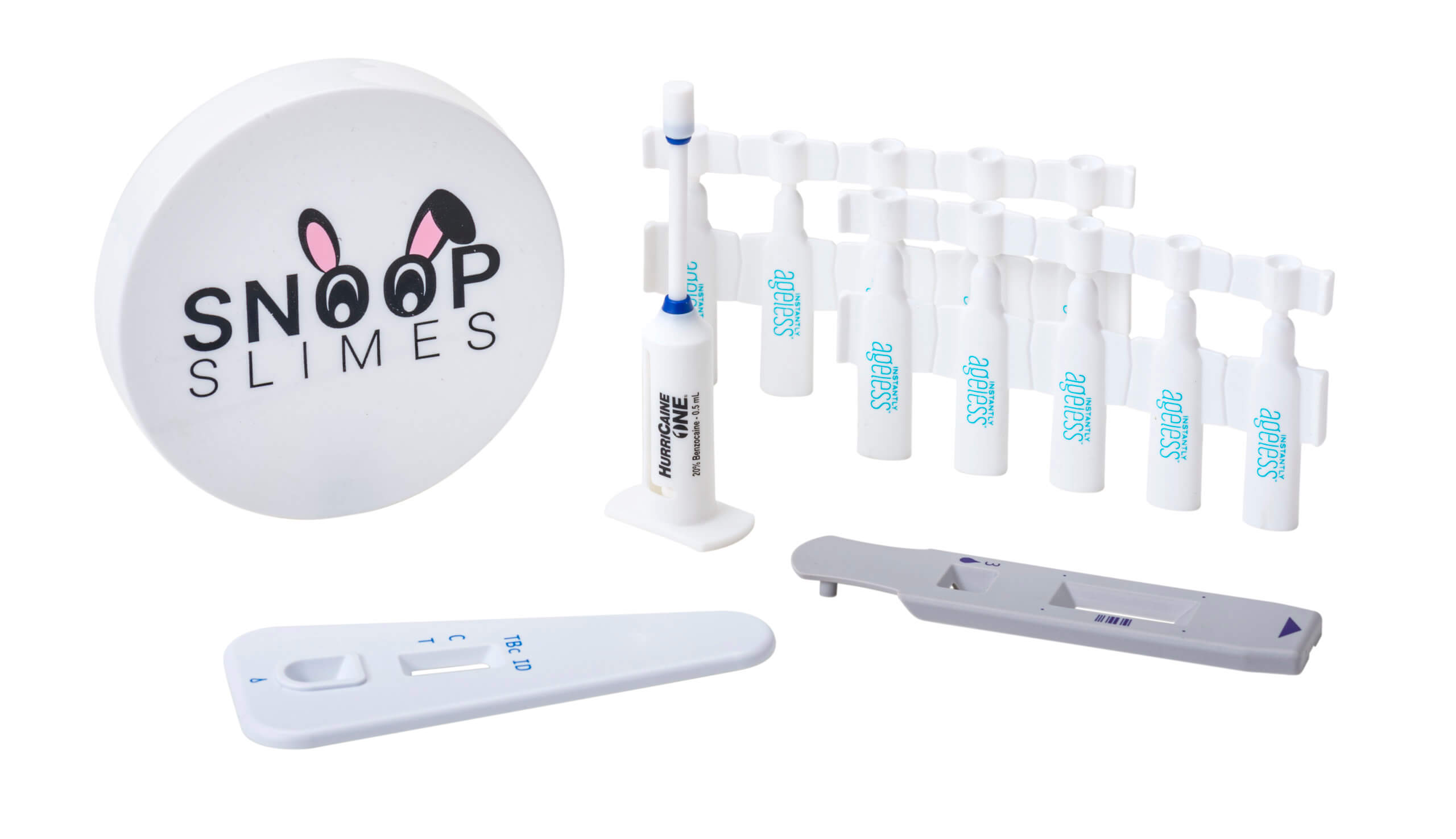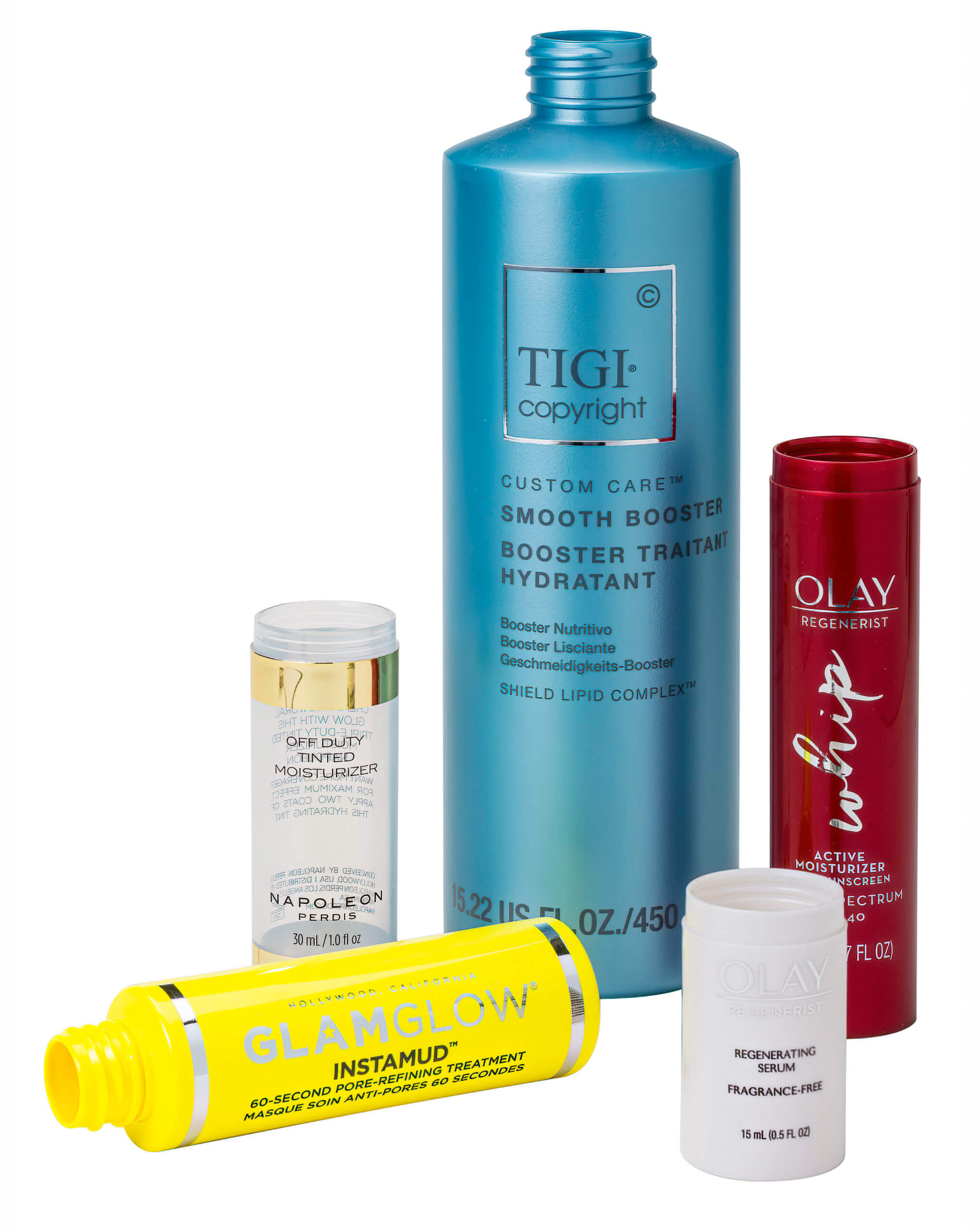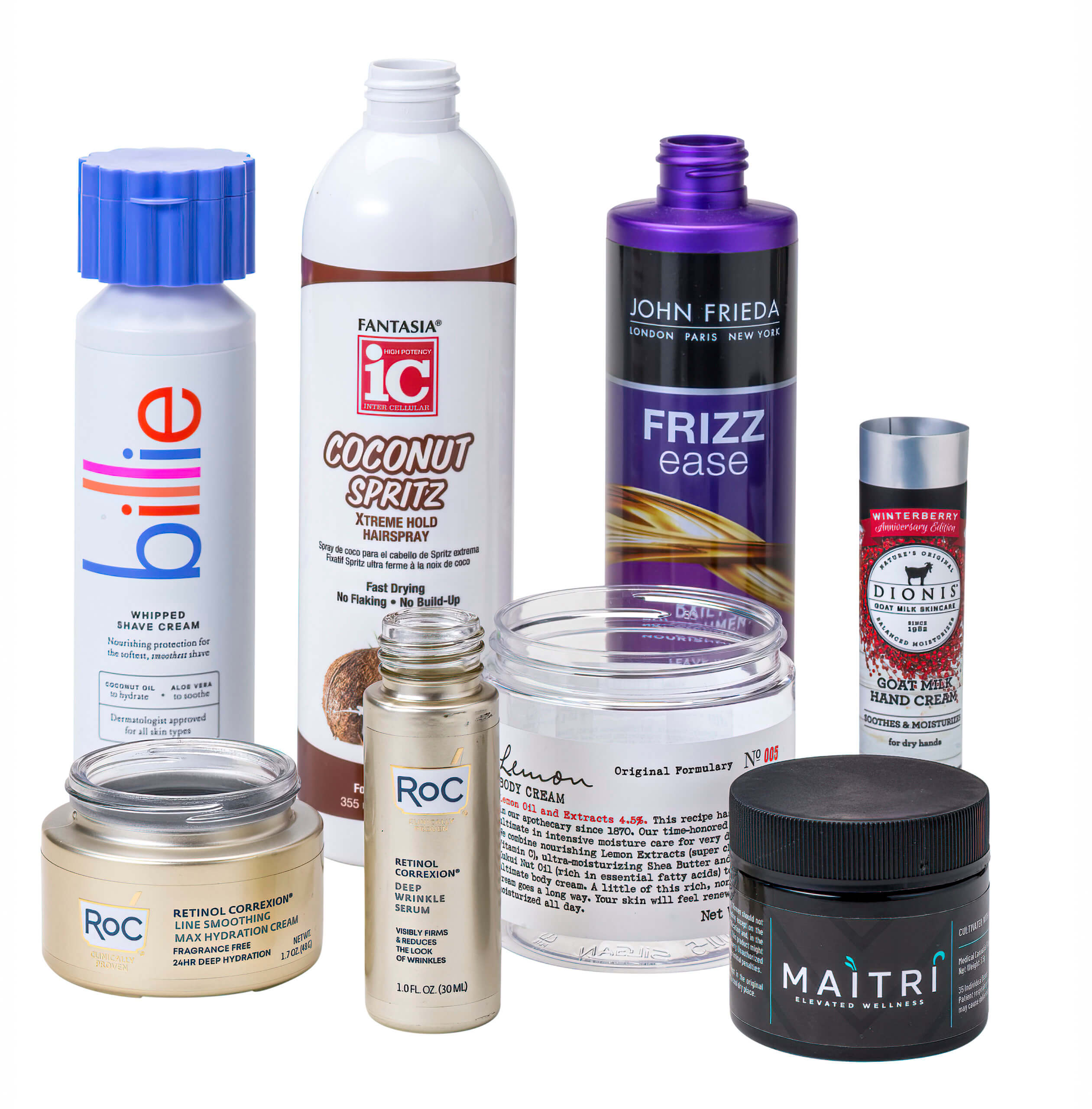
| Heat
Transfer
Hot Stamping
Pad Printing
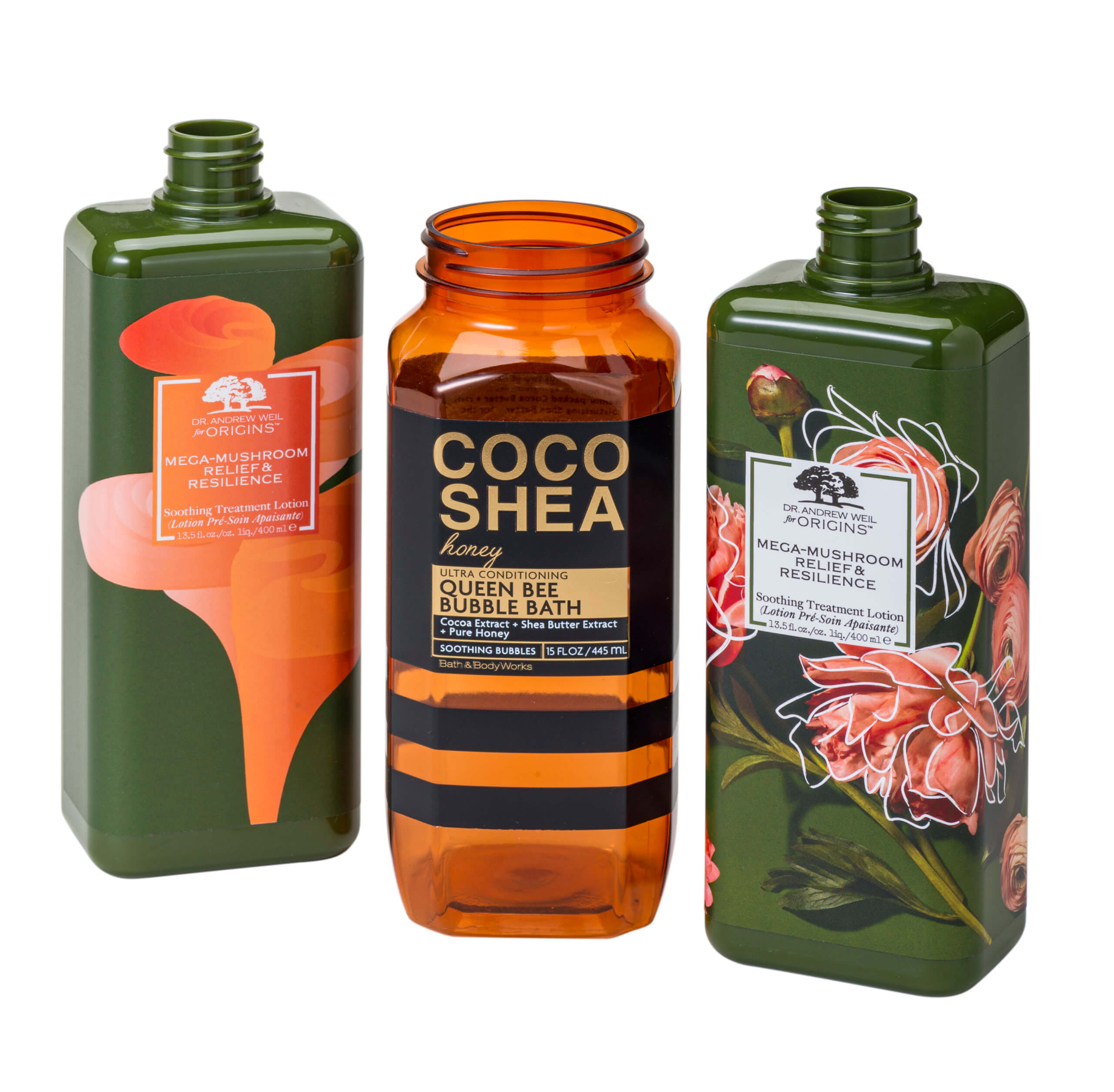
Pressure Sensitive Labeling
Screen Printing
WHAT
IS PAD PRINTING?
Pad printing is a wet process where ink is transferred
to the part to be decorated through the use of an etched
plate (cliché) and a flexible silicone pad. The
etched plate contains the image to be printed and ink
is flooded into this etch, the silicone pad is then
compressed onto this etch and the ink is transferred
to the pad. The
pad is then compressed onto the part and the ink is
again transferred to the part. Because of the unique
characteristics of silicone, the ink can be transferred
in a crisp precise manner with no distortion. This process,
because of the flexibility of the silicone pad, is especially
useful in printing parts with irregular or uneven shapes.
It is also useful in printing small, fine text or image
onto a part because the flexibility of the pad conforms
to the shape of the print while maintaining the sharp
detail of the image to be printed. The biggest advantage
to pad printing verses silk screening is the variety
of three dimensional shapes that can be printed with
this process.
WHAT
IS SCREEN PRINTING?
Screen printing is also a wet process where a rubber
squeegee is used to force ink through an etched silk
screen onto the part. This process is ideal for printing
on flat, cylindrical and oval shapes. Because the ink
is being squeezed through the screen mesh we can control
the amount of ink that is transferred onto the part.
This allows us to achieve the maximum amount of ink
transfer which assures a bright, rich image.
Several different types of ink are available
which can be used to produce certain desired results
on a printed part. For instance, a UV type of ink can
be used where you are trying to print a full panel of
fine text that you find on many of the back panels of
cosmetic containers. Since this ink remains wet until
it is cured under a UV lamp, it insures that it will
not dry out in the screen which results in skips or
voids in the text. You can also use high gloss ink which,
when used, provides a bright, vibrant, high opacity
finish on the part. You can also use metal pigmented
ink which when used provides a metallic (silver, bronze
or gold) finish to the print. This is often used to
provide that “special” look to the part.
The biggest advantage to screen printing verses pad
printing is the amount of ink that can be transferred
to the part which results in a bright, vivid image.
HOT
STAMPING
Hot stamping as opposed to pad printing and silk screening
is a dry printing process. A metallic or color pigmented
foil is passed between a heated plate (die) and the
part. The heated plate is then lowered onto the part
and the foil is forced onto the part and through pressure
is transferred to the part forming a permanent bond.
Although the majority of hot stamping applications are
used on flat surfaces, the process can also be used
on round or contoured surfaces through the use of contoured
dies or specially designed roll hot stamping equipment.
The biggest advantage to hot stamping
is the bright metallic look that can be obtained through
the use of special foils. The cosmetic and beauty aide
business like this process because it provides that
special upscale look to their packaging. The hot stamping
process is also cost effective averaging about the same
cost per pass as pad printing or silk screening.
WHAT
IS HEAT TRANSFER?
Like hot stamping, heat transferring is also a dry printing
process. Decals or transfers are made on multi-color
silk screen or gravure machines. The images are printed
on a clear carrier and rolled onto a fiber core. This
roll is then mounted onto a hot stamping machines which
is equipped with an attachment that enables the hot
stamping machine to sense a special mark on the image
carrier and position the image over the part. It is
then trapped under a heated die as in the hot stamp
process and transferred onto the part.

The biggest advantage to heat transfer
is that multi-color images can be placed on a part in
one pass, reducing the labor cost associated with multi-color
printing. Because of the cost associated with making
the transfers, this process is usually reserved for
higher volume applications. This process can be used
on the same substrates that can be hot stamped.
WHAT
IS PRESSURE SENSITIVE LABELING?
As the name suggests, labels are produced on rolls and
an adhesive is applied to the back of the label. The
label roll is then mounted on a machine that applies
this label to the part. The machines used are specifically
designed to apply different types of labels.

Some machines apply full wrap labels to
a round bottle or jar. Some machines have the same function
except that they register the label to the bottle seam.
Some machines apply labels to oval bottles and jars.
The application process is basically the same with a
specific mechanical handling system designed to the
type of bottle or jar to be labeled.
|